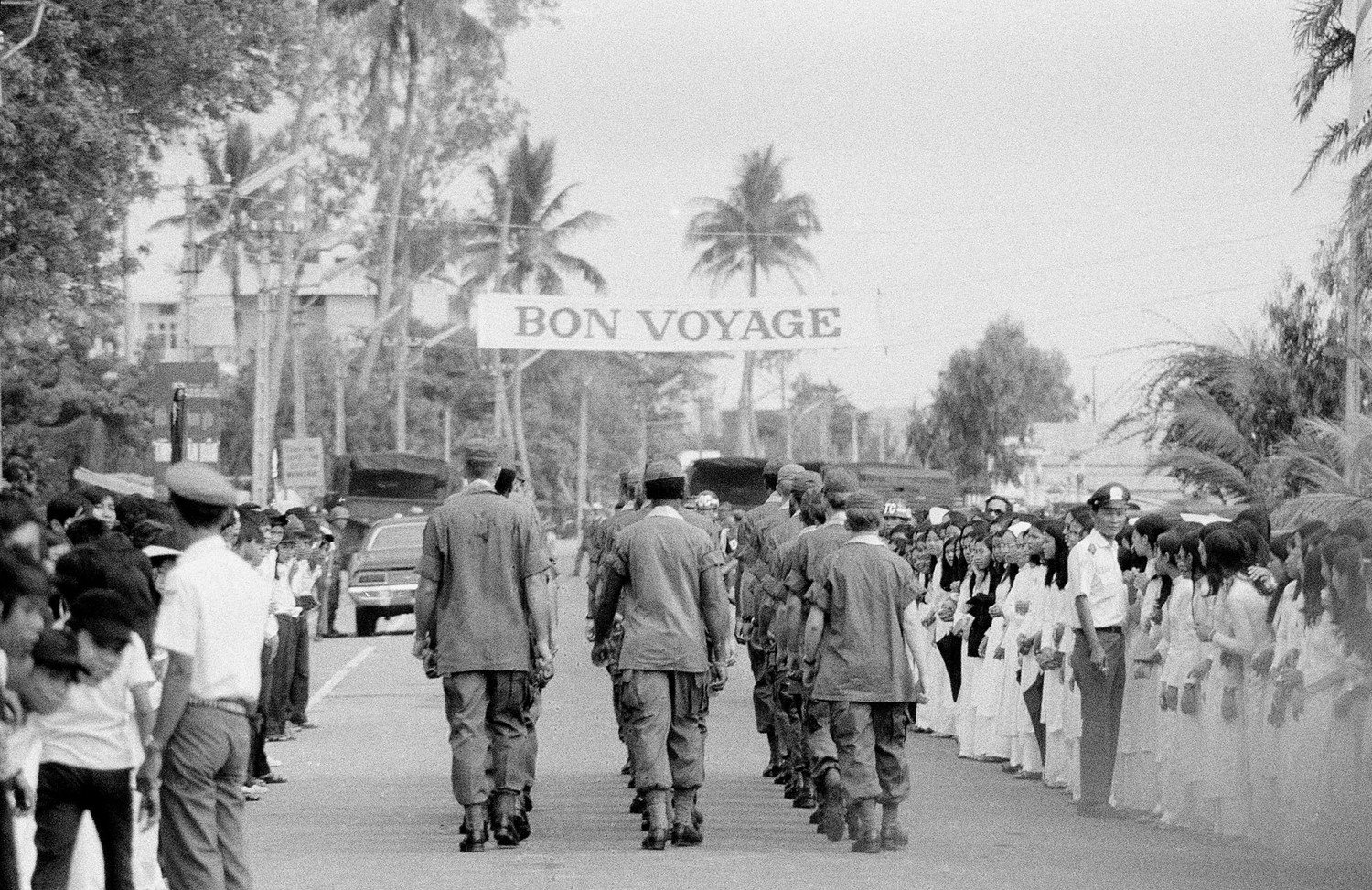
The Limits of Unlimited War: Victory at All Costs in World War II to Peace at Any Price in the Vietnam War
Type: PhD Dissertation
Status: Completed!
Presented at the 2023 Notre Dame International Security Center (NDISC) Emerging Scholars in Grand Strategy Conference
My dissertation explains the reversal in U.S. grand strategy from victory at all costs in World War II to peace at any price in the Vietnam War. Between 1943 and 1973, the United States enacted an astonishing strategic and moral volte-face – from unconditional surrender to peace with honor, from unlimited war to limited war, and from an unwavering will to win against Germany and Japan to a desperate desire to escape Vietnam. After President Franklin D. Roosevelt demanded that the Axis powers surrender unconditionally on January 24, 1943, the United States adopted increasingly lethal means to achieve its ends, culminating with the strategic bombing, firebombing, and atomic bombing of Japanese cities in the summer of 1945 and a planned invasion of the Japanese home islands. Just five years later, however, the U.S. fought a limited war, instead of a total war, in Korea, and negotiated a settlement short of absolute victory. In Vietnam, the American public gradually turned against the war, believing that the conflict was a mistake and that the price of even limited victory was too high. Eventually, U.S. strategists sued for peace short of their war aims and, after President Richard M. Nixon announced an end to the war and “peace with honor” on January 23, 1973, the United States simply left South Vietnam and went home, rejecting war – whatever the cost.
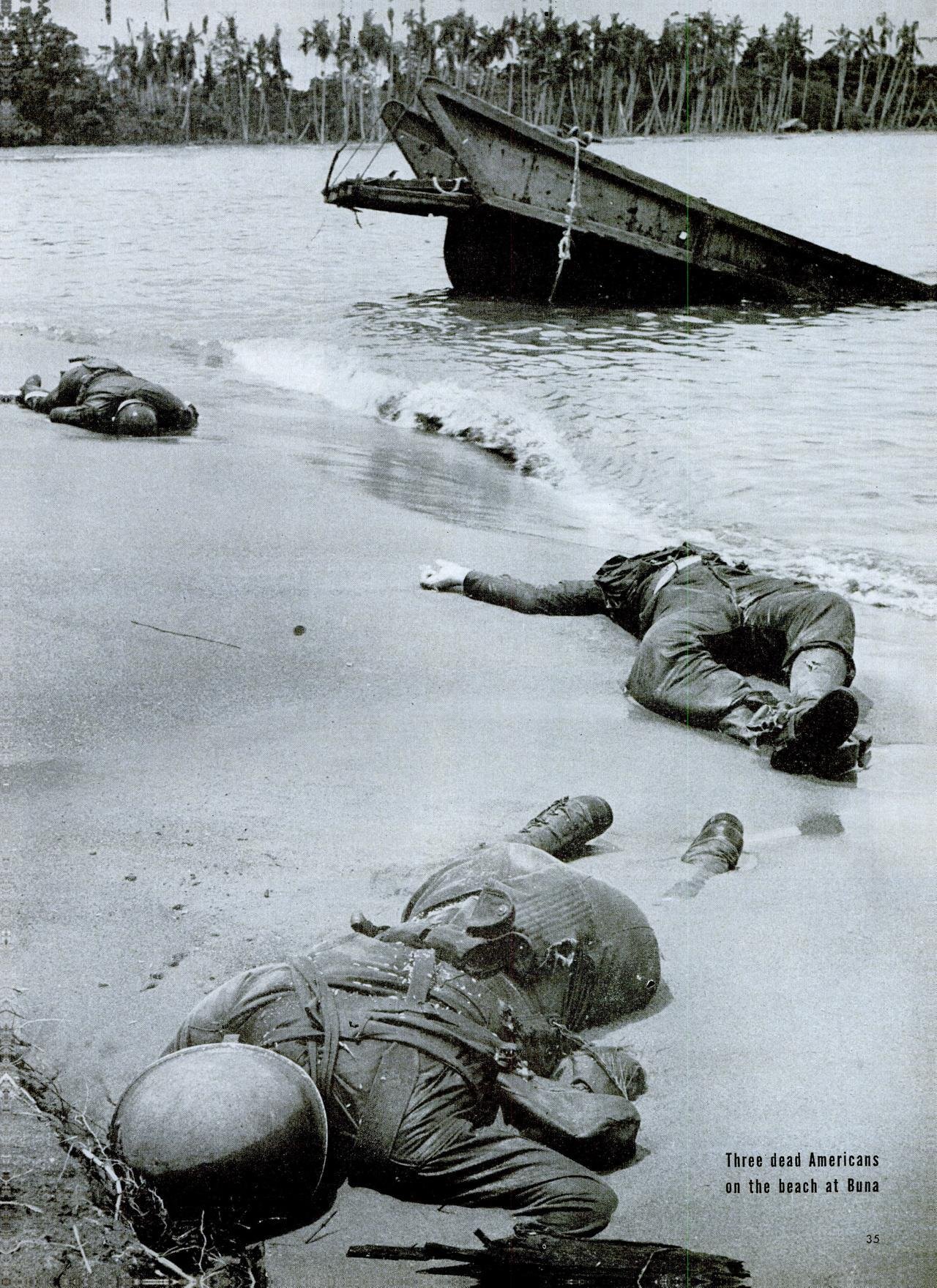
George Strock, Three Dead Americans (1943)
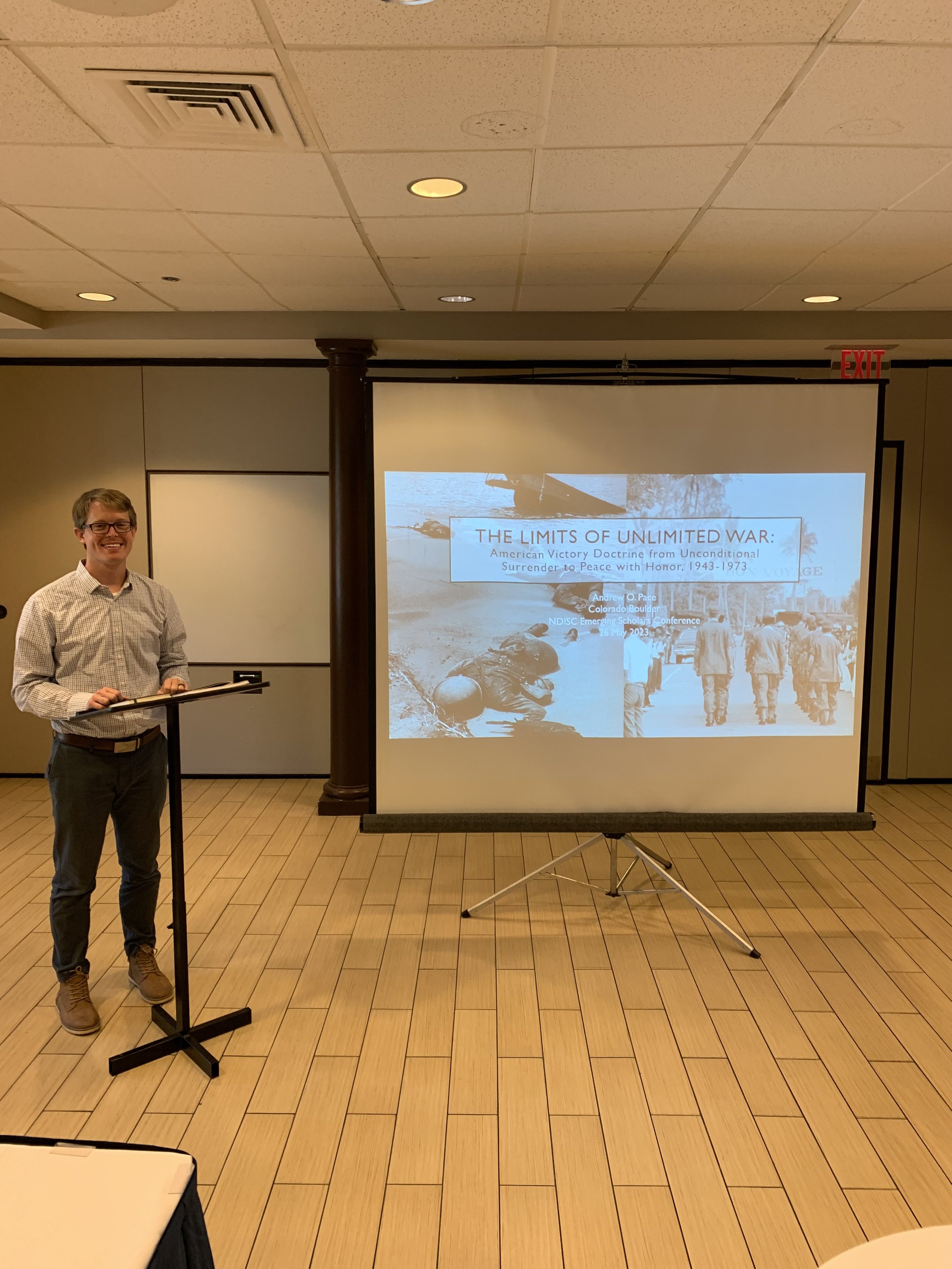
Presenting my dissertation research at the Emerging Scholars in Grand Strategy Conference, Notre Dame International Security Center (NDISC), Lake Wawasee, IN (2023).