New Births of Freedom: US History After 1865
Level
Undergraduate
Type
Survey
“Basic principles of Americanism:
The right to criticize;
The right to hold unpopular beliefs;
The right to protest;
The right of independent thought.”
“It is rather for us to be here dedicated to the great task remaining before us – that from these honored dead we take increased devotion to that cause for which they gave the last full measure of devotion – that we here highly resolve that these dead shall not have died in vain – that this nation, under God, shall have a new birth of freedom – and that government of the people, by the people, for the people, shall not perish from the earth.”
Abraham Lincoln, The Gettysburg Address (19 November 1863)
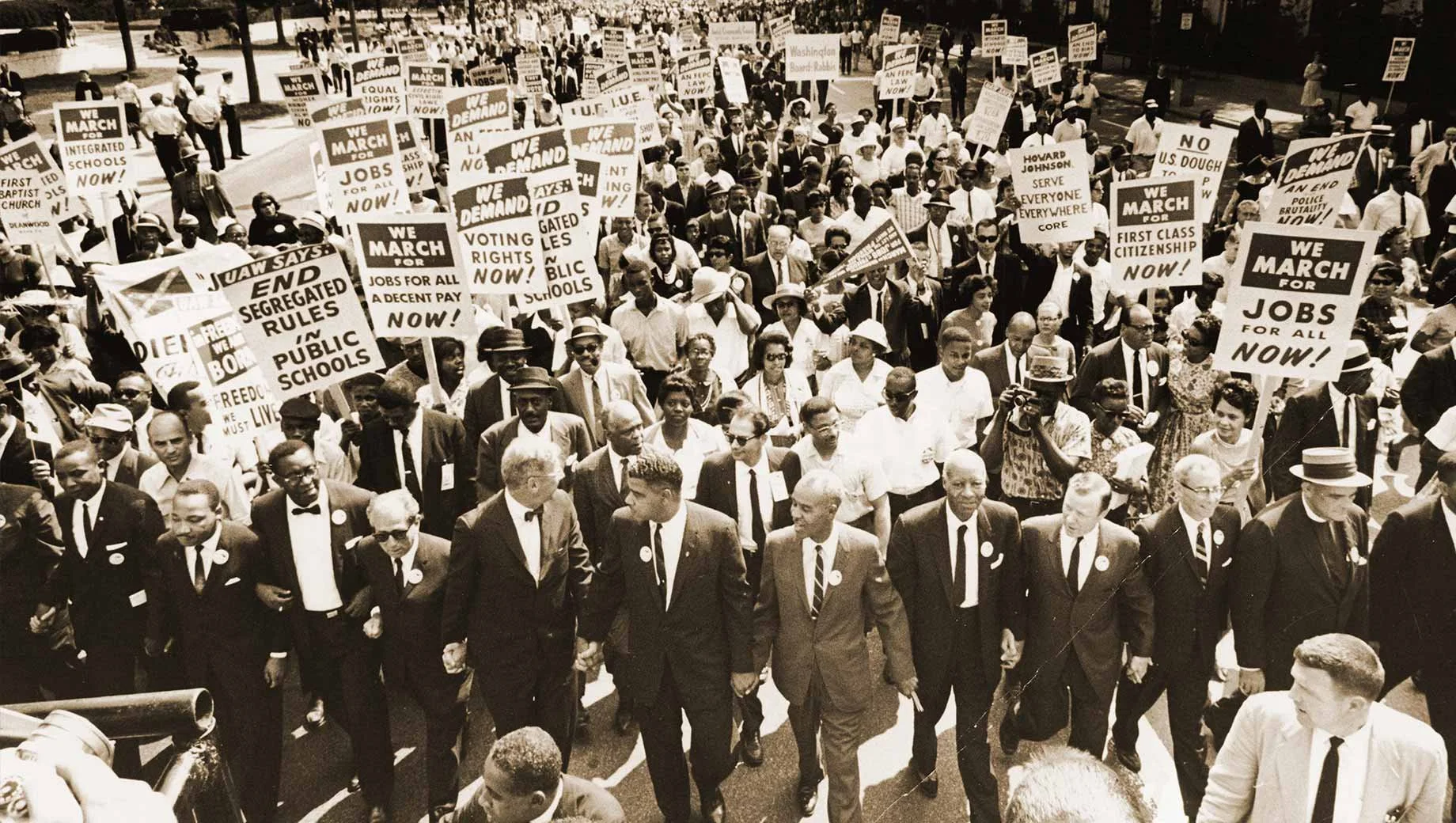
This introductory course surveys the major events, figures, and themes of American history from the end of the Civil War to the present, and focuses on the changing meanings and experiences of freedom for different groups of Americans. Lectures, readings, and discussions will highlight how new Americans like Native Americans, Freedpeople, and New Immigrants experienced “a new birth of freedom” after the Civil War; how the crises of war, depression, segregation, and national security created “new deals” in the 20th century for women, African Americans, and Baby-Boomers; and how the rise of conservatism, globalization, and a new world order fashioned a new discourse about freedom for all Americans in the new millennium.